Positive Reinforcement 101: Training with Treats, Praise, and Patience
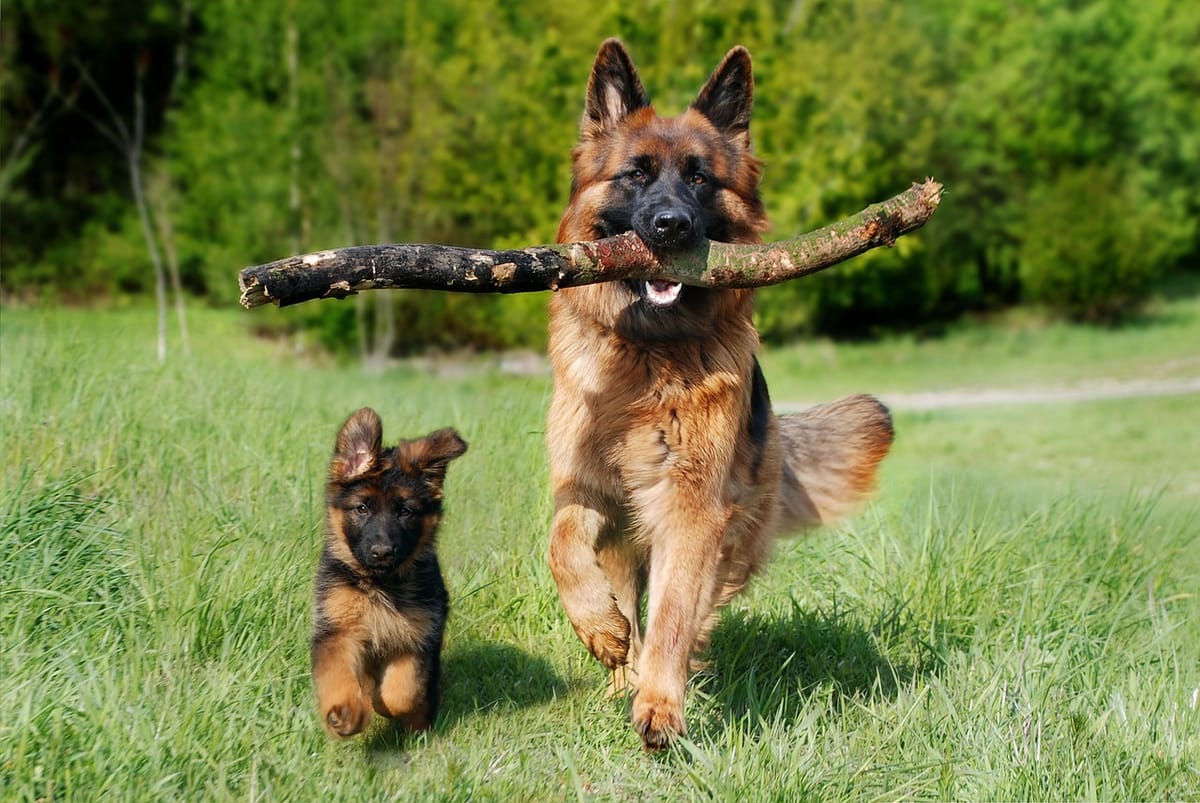
Training isn’t just about tricks or manners — it’s a way to build trust, deepen connection, and bring a little calm and understanding into your shared life. When training is rooted in positivity, it becomes a joy for both you and your pet.
Positive reinforcement uses rewards (like treats, praise, play) to encourage desired behaviors. Over time, the behaviors you love become ones your pet does with enthusiasm. Pairing reinforcement with consistency helps pets learn reliably — and helps avoid confusing or punishing them.
Let’s unpack how to do it mindfully — with patience, heart, and respect.
Why Positive Reinforcement?
- Promotes trust & reduces stress: Training rooted in kindness is less likely to create fear or anxiety.
- Strengthens your bond: Your pet learns that being with you and doing the right things brings comfort, praise, and delight.
- Works for all pets: Whether puppy, senior, shy, or bold — positive reinforcement is adaptable and humane.
- Encourages long-term behavior: Intermittent rewards, once behavior is established, help the behavior stick even without treats every time.
Core Principles & Best Practices
1. Timing is Everything
Reward must come immediately (within a second or two) after the desired behavior, or your pet may link the reward to the wrong action.
2. Keep It Simple & Clear
Short, consistent cues (like “sit,” “stay,” “come”) reduce confusion. Don’t pile on extra words.
3. Be Consistent
Everyone in the household should use the same cues and reward patterns. Inconsistency can confuse your pet.
4. Use the Right Rewards
- Start with treats that are small, soft, and super tempting.
- Vary reward types — praise, petting, toys, play — so your pet doesn’t get bored.
- Reserve special treats for new or harder tasks; use everyday rewards for maintenance.
5. Gradually Fade Out Treats
Once a behavior becomes reliable, shift toward giving rewards less often (intermittently) and rely more on praise or praise + occasional treats.
6. Don’t Reward the Wrong Behavior
Be careful not to inadvertently reward unwanted actions (e.g., giving attention or letting your pet get away with something). That can reinforce what you didn’t want.
7. Patience & Gradual Progress
Every pet learns at their own pace. Small steps, frequent successes, and gentle encouragement build confidence. Over time, big wins become possible.
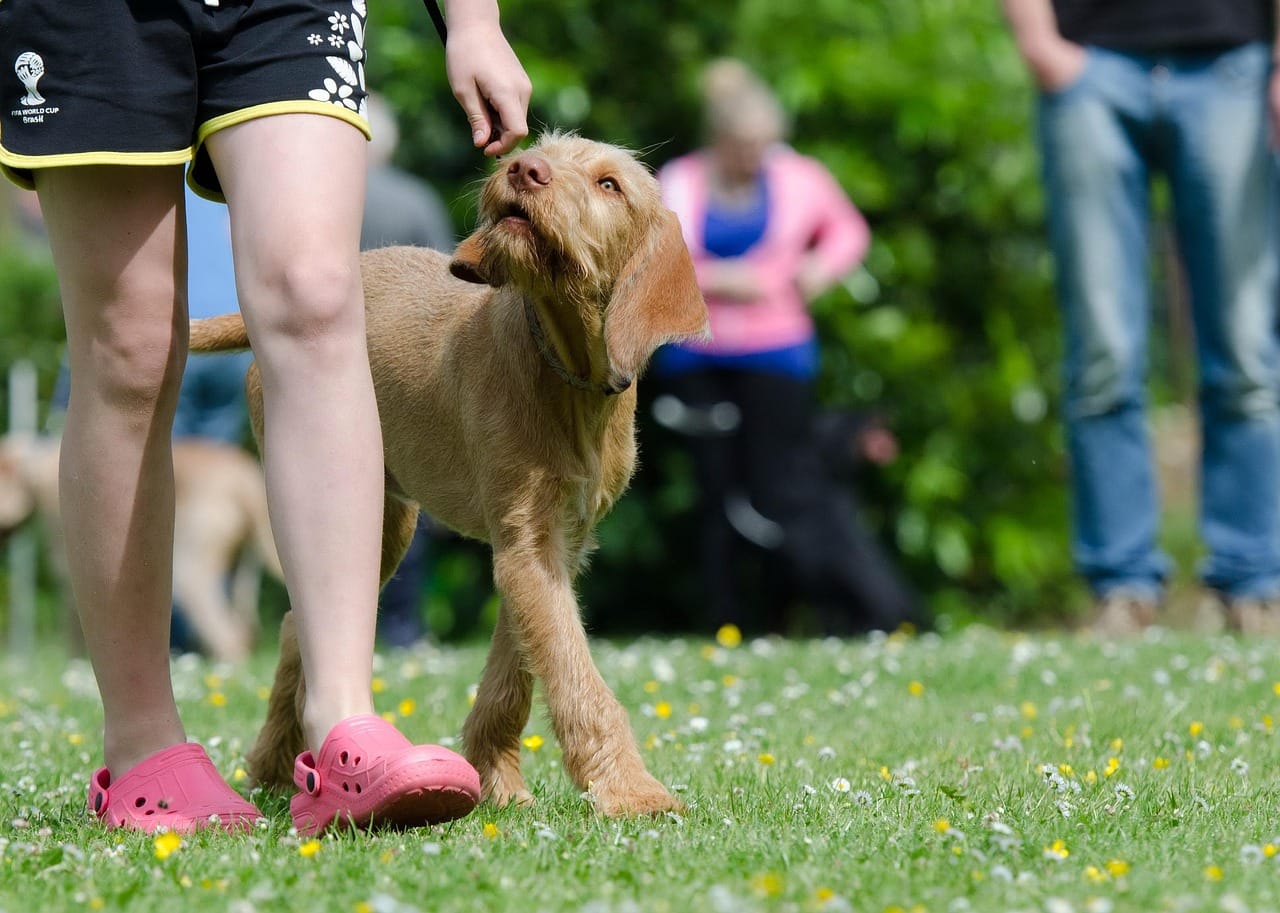
A Tool You Can Use: Clicker Training
Clicker training is a popular positive reinforcement method using a “click” as a marker for the exact moment the desired behavior occurs. The click tells your pet: That’s it right there — treat is coming.
- Because the click is immediate and precise, it helps your pet understand exactly which movement or behavior earned the reward.
- It can help especially when teaching new or more subtle behaviors.
Putting It Into Practice
Here’s a gentle roadmap to get started:
- Choose a behavior you want to teach (sit, stay, come, leave it).
- Decide on a simple cue (single word).
- Capture or lure the behavior (e.g. for “sit,” lure upward until your dog sits).
- As soon as the behavior happens, click (if using clicker) or verbally mark (“yes!”) at that instant.
- Follow with your reward within a second.
- Repeat frequently in short sessions (3–5 minutes), multiple times a day.
- As your pet becomes consistent, begin rewarding less often, but always keep praise high.
- Practice in different environments and with distractions, gradually building reliability.
When Training Gets Sticky
- If your pet seems confused or stops responding, go back a step or simplify the task.
- If distractions pull their attention, return to a quieter zone and reset.
- For behaviors driven by fear, reactivity, or deep anxiety, a qualified behaviorist is often essential.
- Avoid harsh punishments — they break trust, create fear, and don’t address the root of behavior.
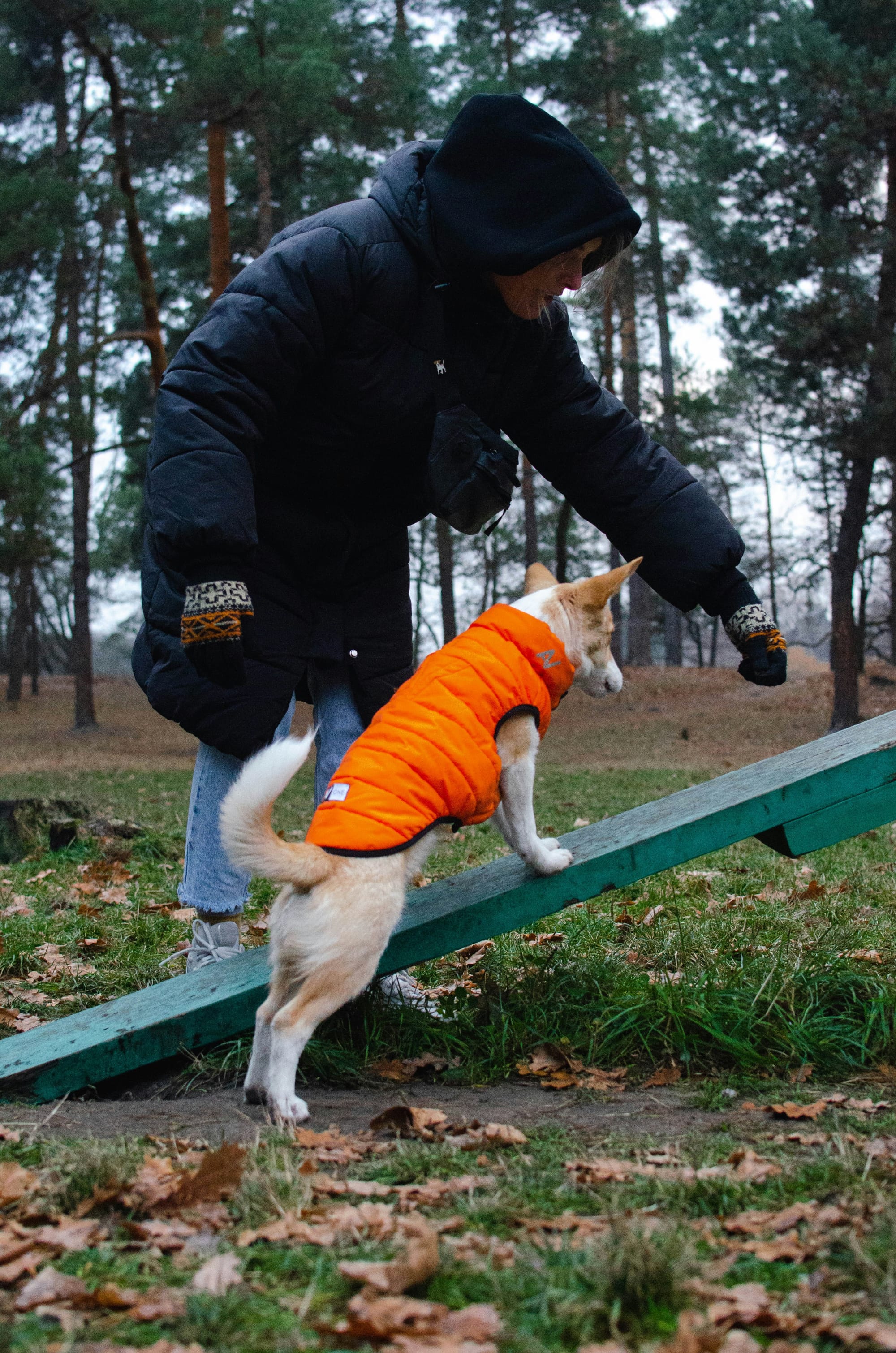
Additional Resources
There’s so much hope and help available — trainers and resources rooted in kindness, patience, and science. Look for those who practice force-free, reward-based training.
A few excellent starting points:
- Pet Professional Guild — An international community of trainers committed to positive reinforcement (R+).
- Victoria Stilwell Positively — A rich hub of articles, videos, and certified trainers across the globe.
- Local humane societies and veterinary behaviorists — Many now emphasize reward-based methods.
Remember, every trainer is unique. Do your homework, ask thoughtful questions, and don’t be afraid to walk away if something feels wrong.
A Small Reminder
Training with positive reinforcement isn’t just about obedience — it’s about creating a relationship built on trust, kindness, and understanding. Every reward, every praise, every patient moment builds a stronger bond. Over time, the hope is that your pet will act from wanting to do right — not from fear or compulsion.



Comments ()